
For B2B buyers and importers of elderly assistive products, navigating the world of medical device certifications can be one of the most challenging aspects of the procurement process. Yet certification compliance is not optional — it is the difference between a product that can be legally sold in your market and one that gets stopped at customs.
This guide provides a clear, practical overview of the key certifications required for elderly assistive devices across major global markets.
Why Certification Matters
Medical device certifications serve three critical purposes:
- Legal market access: Without the proper certification, products cannot be imported, sold, or used in most regulated markets.
- Liability protection: Certified products meet established safety and performance standards, reducing legal exposure for distributors and facility operators.
- Competitive advantage: CE, FDA, or ISO certification signals quality to buyers and end users, often commanding a 15–25% price premium over uncertified alternatives.
CE Marking (European Market)
CE marking is the most widely recognized certification for medical devices globally. It indicates that a product meets EU safety, health, and environmental requirements.
Classification Under EU MDR 2017/745
Under the new EU Medical Device Regulation (MDR), elderly assistive devices fall into these classes:
| Class | Risk Level | Examples | Certification Route |
|---|---|---|---|
| Class I | Low | Walking canes, grab bars, non-electric rails | Self-declaration |
| Class IIa | Medium | Smart canes with sensors, patient transfer aids | Notified Body audit |
| Class IIb | Medium-High | Motorized lifts, health monitoring devices | Notified Body + design review |
For Class IIa and above, manufacturers must engage a Notified Body (such as TÜV SÜD, BSI, or DNV) for conformity assessment. The process typically takes 6–12 months and costs EUR 20,000–60,000 depending on device complexity.
FDA Clearance (United States)
The U.S. Food and Drug Administration regulates medical devices under the Federal Food, Drug, and Cosmetic Act. Most elderly assistive devices require 510(k) premarket notification.
FDA Device Classes
- Class I: Simple devices like manual canes and basic rails — generally exempt from 510(k).
- Class II: Smart canes, patient transfer aids, and monitoring devices — require 510(k) submission demonstrating substantial equivalence to a predicate device.
- Class III: Implantable or life-supporting devices — require PMA (Pre-Market Approval), rarely applicable to assistive devices.
The 510(k) process takes 3–6 months for straightforward submissions. Key requirements include biocompatibility testing (ISO 10993), electrical safety (IEC 60601), and electromagnetic compatibility (IEC 60601-1-2).
ISO 13485: Quality Management Systems
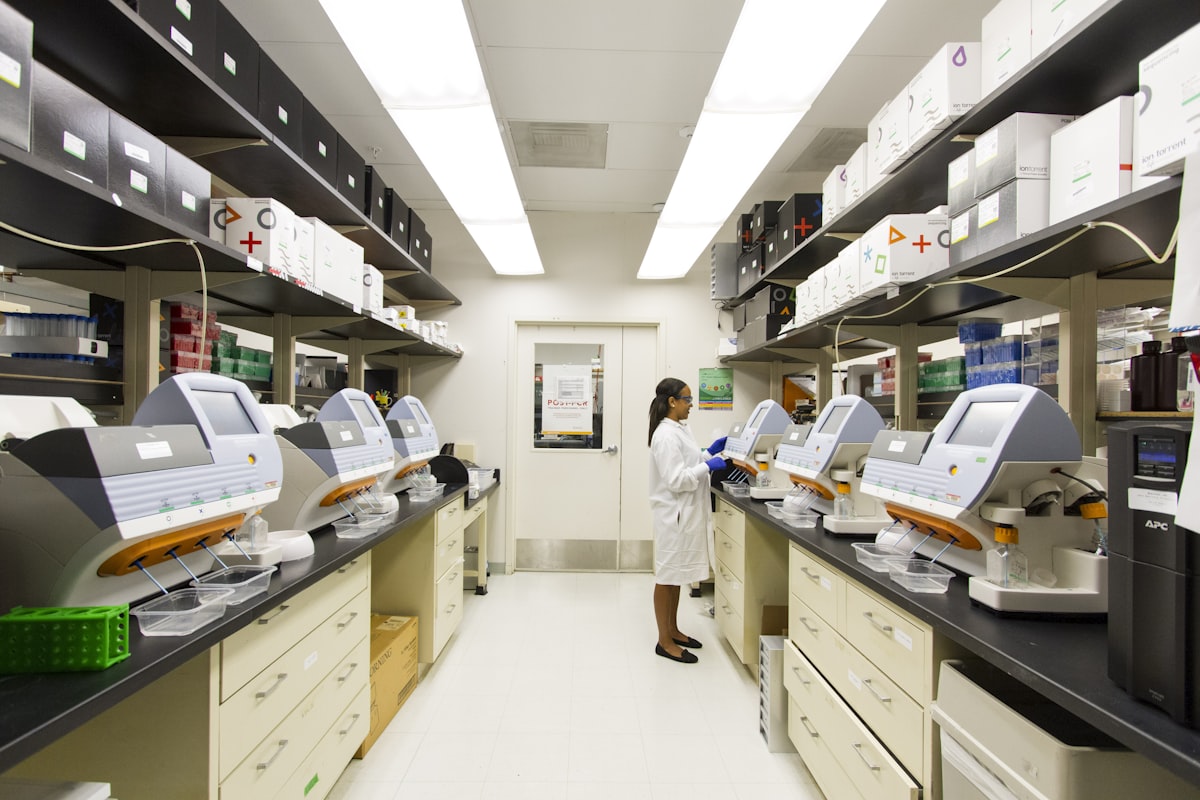
ISO 13485 is the international quality management standard for medical device manufacturers. While not a product certification per se, it is often a prerequisite for CE and FDA compliance. Key requirements include:
- Documented quality management system covering design, production, and post-market surveillance
- Risk management processes aligned with ISO 14971
- Supplier management and incoming material inspection
- Corrective and preventive action (CAPA) system
- Internal audit and management review processes
Other Important Certifications
- HC (Health Canada): Medical device license required for Canadian market. Recognizes CE and FDA data where appropriate.
- TGA (Australia): Inclusion in the Australian Register of Therapeutic Goods (ARTG) required. Similar classification system to EU MDR.
- NMPA (China): Formerly CFDA. Mandatory for medical devices sold in China. Increasingly stringent with in-country testing requirements.
- MDSAP: Medical Device Single Audit Program — a single audit accepted by 5 regulatory authorities (US FDA, Health Canada, Brazil ANVISA, Japan MHLW, Australia TGA).
- UKCA: Post-Brexit UK market certification. Largely mirrors CE requirements.
- FCC (US): Required for any device with wireless connectivity (Bluetooth, Wi-Fi, cellular).
What B2B Buyers Should Verify
When evaluating a supplier's certifications, do not simply accept their claims. Take these verification steps:
- Request the certificate number and verify it against the issuing body's online database.
- Check the scope of certification — does it specifically cover the product you are importing?
- Verify expiration dates — certifications must be current (typically audited annually).
- Review the test reports — especially electrical safety, EMC, and biocompatibility for smart devices.
- Ask for the Declaration of Conformity (DoC) — a legal document the manufacturer must maintain.
The Cost of Non-Compliance
Selling uncertified medical devices carries serious consequences: customs seizure and destruction of goods, fines of up to EUR 500,000 under EU MDR, liability claims from end users, and reputational damage that can end a business relationship. The investment in proper certification — typically USD 20,000–80,000 depending on device class — is a fraction of the potential cost of non-compliance.
Conclusion
Certifications are not just paperwork — they are the foundation of trust in the medical device supply chain. For B2B buyers, working with certified manufacturers eliminates risk, accelerates time to market, and builds confidence with end customers. Always prioritize suppliers who invest in compliance and can demonstrate verifiable certification credentials.
Smart Elderly Care holds ISO 13485, CE, FDA, and FCC certifications. Contact us to verify our credentials and discuss partnership opportunities.